


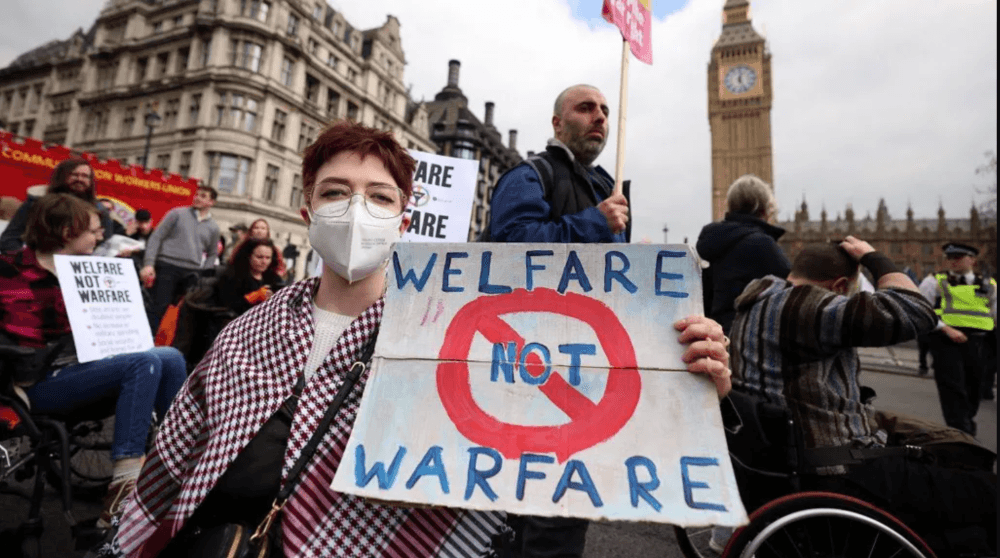
f disabled people and needs fundamental change.
Declaring Pip was "not fit for purpose", the interim report said people applying for the benefit had described the process as "dehumanising" and a barrier to work.
Pip claims, especially for conditions such as anxiety and ADHD, have soared in the years since the Covid pandemic, putting increasing pressure on the public finances.
Around 10 million working-age people (24%) report living with a disability, compared with under 17% in 2013/14.
The cost of Pip is expected to rise to more than £41bn by 2030, up from £15bn in 2020.
The review suggests a sweeping overhaul of the Pip assessment system is needed.
A Department for Work and Pensions spokesperson said the review's final recommendations are due this autumn and "will lay the foundation for deep, sustainable reform".
On Thursday the co-chair of the review, Sharon Brennan, told the BBC she and Sir Stephen were considering how they could change the Pip assessment process.
"At the moment, it's a very blunt process," Brennan said. "It's a yes or no answer, do you get cash or not, and we're not really having conversations with people about what extra support they need to live the lives they want to live."
She said the review would question whether the different levels of cash support available to Pip claimants "really reflects the real-life impact of disability" in 2026, stressing that increasing "participation in the workforce" would be an important part of any reforms.
Speaking in the House of Commons on Thursday, Sir Stephen said the review "is clear that the provision of cash to meet the additional costs of disability is vital".
He added: "We will not be moving away from the importance of that, but I think there is a question about whether the process can also point people towards help that may be valuable to them in addition to, or in some cases perhaps instead of, a cash payment.