


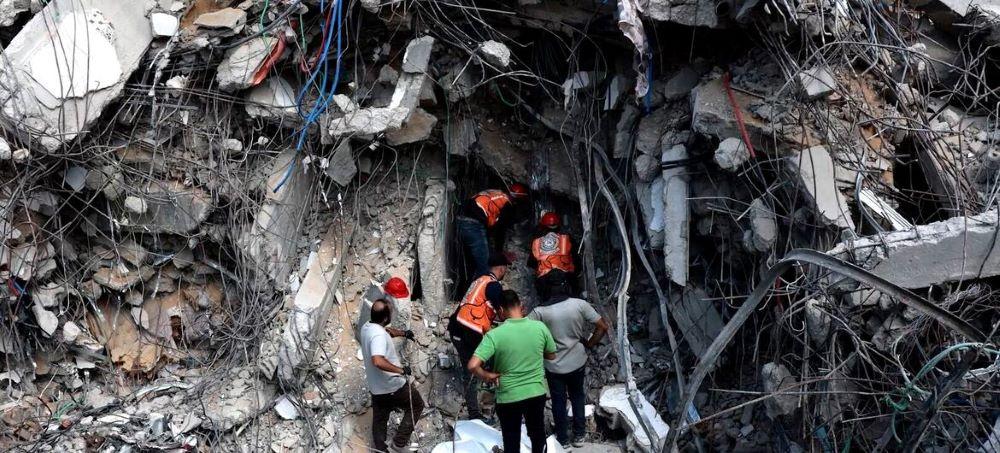
After thousands of buildings were destroyed in the Gaza Strip during the Israel-Hamas war, local teams and civil defense personnel continue the arduous and delicate mission to remove rubble and search for the remains of missing persons believed to still be buried under the debris of homes destroyed by Israeli airstrikes.
The passage of time and a severe shortage of heavy equipment have made the search and recovery operations increasingly difficult and complex, those working on this mission told UN News.
In one of Gaza City’s neighborhoods, a piece of heavy machinery continues to remove the rubble of a war-destroyed house.
Meanwhile, civil defence personnel and local teams continue digging and combing through debris for the remains of victims believed to still be buried under the rubble for more than two years.
“This building was believed to contain the remains of 44 victims,” said locally based team member Asaad Shreim. “So far, we have only been able to recover 13 of them while the residents and civil defence teams were able to recover the largest number during the first hours following the bombing.”
Waiting to find his family’s remains
Search and recovery operations are still being carried out with limited resources.
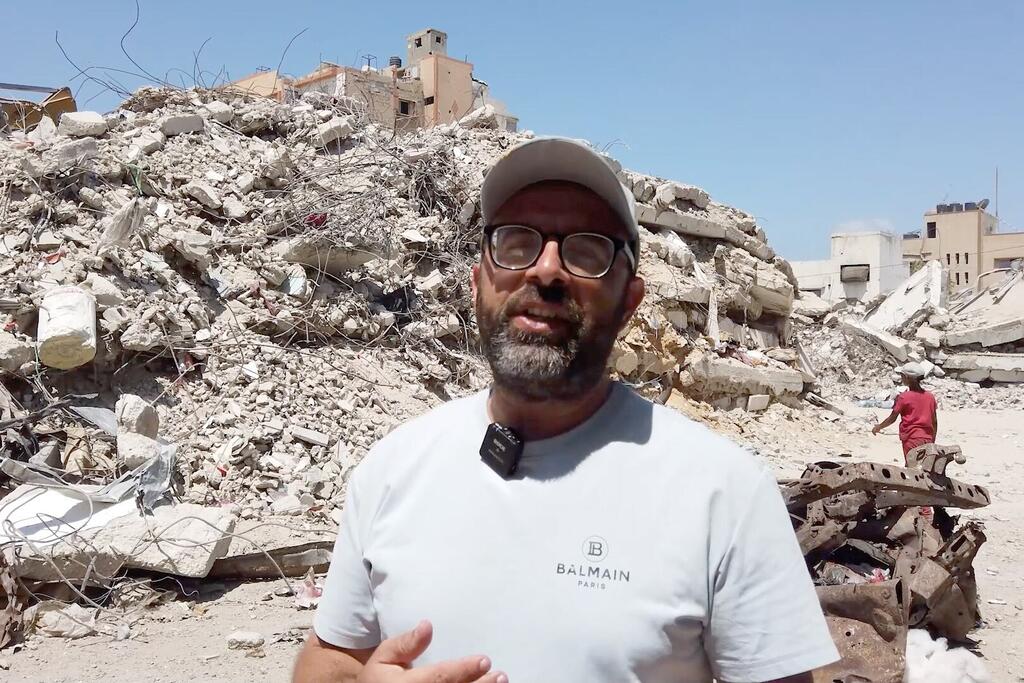
The UN confirms that the removal of millions of tonnes of rubble is hampered by Israeli restrictions on the entry of heavy equipment as well as the risks posed by unexploded ordnance scattered among the rubble, which slows down the process of reaching and recovering the remains of victims.
While he watches the excavation work, Ramez Nabhan is waiting to find the remains of his family members who were killed in a bombing that targeted the building where they were staying in the early days of the war.
“I was a father of three children, and I had a wife, and I lost them all at the beginning of the war,” Mr. Nabhan said. “Several missiles fell on this building, and the residents and civil defence teams were able to recover some bodies, including my son, my uncle and his wife.”